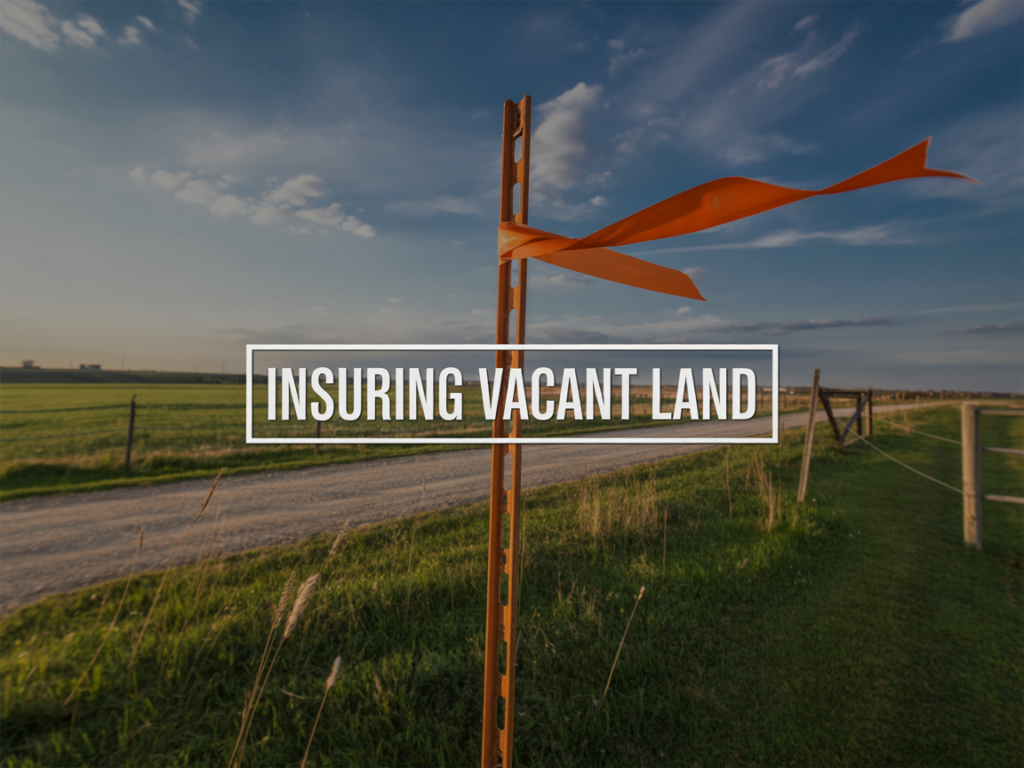
You bought a piece of vacant land. Maybe you plan to build on it. Maybe you plan to hold it and sell later. Either way, you might be wondering: do you need insurance on it?
The answer depends on your situation. Vacant land does not have a building to protect, but it still comes with risks. This guide covers what vacant land insurance is, what it covers, and how to decide if you need it.
In this Article:
What is Vacant Land Insurance?
Vacant land insurance protects you from financial loss related to your undeveloped property. It typically covers liability claims, meaning someone gets hurt on your land and sues you for damages.
Unlike homeowner’s insurance, vacant land insurance does not cover a structure. There is no building to insure. The policy focuses on protecting you from lawsuits and, in some cases, damage to the land itself.
Who Needs It?
Anyone who owns vacant land should at least consider it. Investors who buy lots at tax deed auctions, builders holding land for future development, and landowners with rural acreage all face liability risks. Even if you never visit the property, someone could get hurt on it and hold you responsible.
Types of Coverage for Vacant Land
Vacant land insurance policies can include several types of coverage. Here are the main ones.
General Liability Coverage
This is the most important coverage for vacant land owners. General liability protects you if someone gets injured on your property and files a lawsuit.
Common Liability Scenarios
A hiker trips over a hidden hazard on your land and breaks an ankle. A neighbor’s child wanders onto your property and falls into an uncovered well. A trespasser gets hurt on an abandoned structure or debris on the lot. Someone’s vehicle gets damaged driving across your property.
In each of these cases, the injured party could sue you. General liability coverage pays for your legal defense and any settlement or judgment up to your policy limit. Without it, those costs come straight out of your pocket.
Typical Policy Limits
Most vacant land liability policies offer coverage limits of $100,000 to $1,000,000. Higher limits cost more but give you better protection. For most investors, a $300,000 to $500,000 policy provides solid coverage at a reasonable price.
What Happens Without Liability Coverage
Without coverage, you pay for everything yourself. That includes attorney fees to defend the lawsuit, medical bills if you are found liable, and any court-ordered settlement or judgment. A single slip-and-fall lawsuit can easily cost $50,000 to $200,000. Compare that to an annual premium of a few hundred dollars.
Property Coverage
Some vacant land policies include coverage for improvements on the land, even if there is no building. This might cover things like fences, gates, wells, septic systems, driveways, or landscaping.
When Property Coverage Matters
If you have invested money in improving the land, property coverage protects that investment. A storm could destroy a new fence. Vandals could damage a well or gate. Without property coverage, you pay for repairs yourself.
For raw, unimproved land with no structures or improvements, property coverage may not be necessary. Focus your budget on liability coverage instead.
Environmental Liability
Environmental liability coverage protects you if your land causes environmental damage or if contamination is discovered on the property.
Why This Matters for Investors
If you buy vacant land at a tax deed auction, you might not know the property’s full history. Previous owners may have dumped hazardous materials, buried waste, or stored chemicals on the land. If contamination is found, you could face cleanup costs and legal liability as the current owner.
Environmental liability coverage is not included in standard vacant land policies. You usually need to add it as a separate endorsement or purchase a standalone environmental policy. The cost depends on the property’s location, size, and history.
Do Your Research First
Before you buy any vacant land, research its history. Check for past environmental uses, nearby industrial sites, and any known contamination in the area. Your state’s environmental protection agency usually maintains a database of contaminated sites. Search that database before you close. This due diligence can save you from buying a property with hidden environmental problems.
If you suspect contamination, consider hiring an environmental consultant to conduct a Phase I Environmental Site Assessment. This report evaluates the property’s environmental risk based on its history, surrounding land uses, and regulatory records. It costs $1,500 to $4,000, but it can save you from a cleanup bill of $50,000 or more.
Why You Might Need Insurance for Vacant Land
Here are the main reasons to consider insuring your vacant land:
Liability protection. This is the big one. If someone gets hurt on your property, you are liable. A lawsuit can cost tens of thousands of dollars, even if you win. Insurance covers those costs.
Lender requirements. If you financed the land purchase, your lender may require you to carry insurance. Check your loan terms to see if coverage is mandatory.
Peace of mind. You cannot watch your property 24 hours a day. People trespass, accidents happen, and nature causes damage. Insurance gives you a safety net.
Protecting your assets. If you own multiple investment properties, a lawsuit from one property can put all your assets at risk. Vacant land insurance limits your exposure. Some investors also carry an umbrella policy that provides extra liability coverage above and beyond their individual property policies.
Future development plans. If you plan to build on the land someday, having an active insurance policy from the start creates a track record with your insurer. When you switch to a builder’s risk policy or homeowner’s policy later, that relationship can make the transition smoother and the pricing more favorable.
When You Might Skip It
Some investors choose to skip vacant land insurance on very low-value lots, especially small parcels in rural areas with minimal foot traffic. The risk of a liability claim is lower on remote, hard-to-access land. But “lower” does not mean “zero.” Weigh the cost of the premium against the potential cost of a lawsuit.
Factors That Influence the Cost of Vacant Land Insurance
Several factors affect how much you pay for coverage:
Location. Land in urban or suburban areas costs more to insure. More people means more liability risk. Rural land with limited access is cheaper.
Size of the parcel. Larger properties generally cost more to insure. A 100-acre tract carries more risk than a quarter-acre lot.
Intended use. If you plan to allow public access, host events, or lease the land for activities like hunting or camping, your premiums will be higher. More activity means more risk.
Coverage limits. Higher coverage limits mean higher premiums. Choose limits that match the level of risk you face.
Property features. Bodies of water, steep terrain, abandoned structures, and other hazards increase your risk and your premiums.
Average Cost
Vacant land insurance is relatively affordable compared to homeowner’s insurance. Most policies cost between $100 and $600 per year for basic liability coverage. Adding property coverage or environmental endorsements increases the cost.
To put that in perspective, a $300 annual premium works out to $25 per month. That is a small price for protection against a lawsuit that could cost $100,000 or more. For investors holding multiple parcels, some insurers offer multi-property discounts that bring the per-parcel cost down even further.
Special Considerations for Auction-Purchased Land
If you bought your vacant land at a county tax deed auction, there are a few extra things to keep in mind.
Insuring Before You Have Clear Title
Some insurance companies hesitate to write policies on properties purchased at tax deed auctions. They may ask about the status of your title. If you have not completed a quiet title action yet, you might face limited options. Shop around and be upfront about how you acquired the property.
Vacant Land You Plan to Hold
Many tax deed investors buy land to hold and resell later. If you plan to hold a parcel for months or years, liability coverage protects you during that entire holding period. People can wander onto your property at any time. Having coverage in place from day one keeps you protected.
Land in Remote Areas
Tax deed auctions often include rural and remote parcels. These properties may seem low-risk, but hikers, hunters, and off-road vehicles can still access them. Even in remote areas, liability exposure exists. A basic policy covers you at minimal cost.
Tips for Choosing the Right Vacant Land Insurance Policy
Here is how to find the right coverage at the right price:
Shop around. Get quotes from at least three insurance companies. Premiums can vary significantly for the same coverage.
Match coverage to your risk. A small residential lot in a quiet neighborhood needs less coverage than a large wooded parcel near hiking trails. Do not overpay for coverage you do not need.
Ask about bundling. If you already have homeowner’s insurance or a landlord policy, ask your insurer about adding vacant land coverage. Bundling can save you money.
Read the exclusions. Every policy has exclusions. Know what is not covered before you buy. Common exclusions include intentional acts, commercial activities not disclosed to the insurer, and pre-existing environmental contamination.
Review annually. Your land use and risk profile can change. If you start developing the land, add improvements, or change how the property is used, update your coverage to match.
Work with an Agent Who Knows Land
Not every insurance agent understands vacant land. Find an agent who works with landowners and investors. They will know which carriers offer the best vacant land policies and can help you find the right coverage for your situation.
Document the Property’s Condition
Take photos and videos of your vacant land when you first acquire it. Document the condition of the lot, any existing structures or debris, access points, and neighboring properties. This documentation helps if you ever need to file a claim. It also protects you if someone alleges a hazard existed that was actually caused after your documentation date.
Post “No Trespassing” Signs
In many states, posting “No Trespassing” signs reduces your liability for injuries to trespassers. Check your state’s laws on signage requirements. The signs are cheap and easy to install. They also signal to neighbors and the public that the land has an active owner who is paying attention.
Title Insurance on Land
Vacant land insurance and title insurance are two different things. Vacant land insurance covers liability and property damage. Title insurance covers problems with the property’s ownership history, like undiscovered liens, forged deeds, or ownership disputes.
If you bought your vacant land at a tax deed auction, title insurance can be hard to get without a quiet title action first. But you should still research the title before you buy. A current owner search from EasyTitleSearch.com costs $59 and traces the title back to the last vesting deed. It shows recorded liens and encumbrances so you know what you are buying.
Conclusion: Assessing the Need for Vacant Land Insurance
Vacant land insurance is affordable and protects you from liability claims that could cost far more than the premium. If you own vacant land, especially in areas where people could access the property, liability coverage is a smart investment.
The right policy depends on your land’s location, size, intended use, and risk factors. Shop around, match your coverage to your risk, and review your policy as your plans change.
And before you buy any land, do your title research. At EasyTitleSearch.com, we provide current owner searches for $59 nationwide. Know the ownership history and recorded liens before you commit your money. It is the fastest way to protect yourself as an investor.