A clear title is one of the most important things in real estate. Without it, you cannot sell a property easily. You cannot refinance it. You may not even be able to insure it. If you invest in real estate, especially at county foreclosure and tax deed auctions, you need to understand what a clear title means and how to get one.
This guide explains what a clear title is, why it matters, what can prevent it, and how to fix problems when they come up.
In this Article:
Definition of a Clear Title
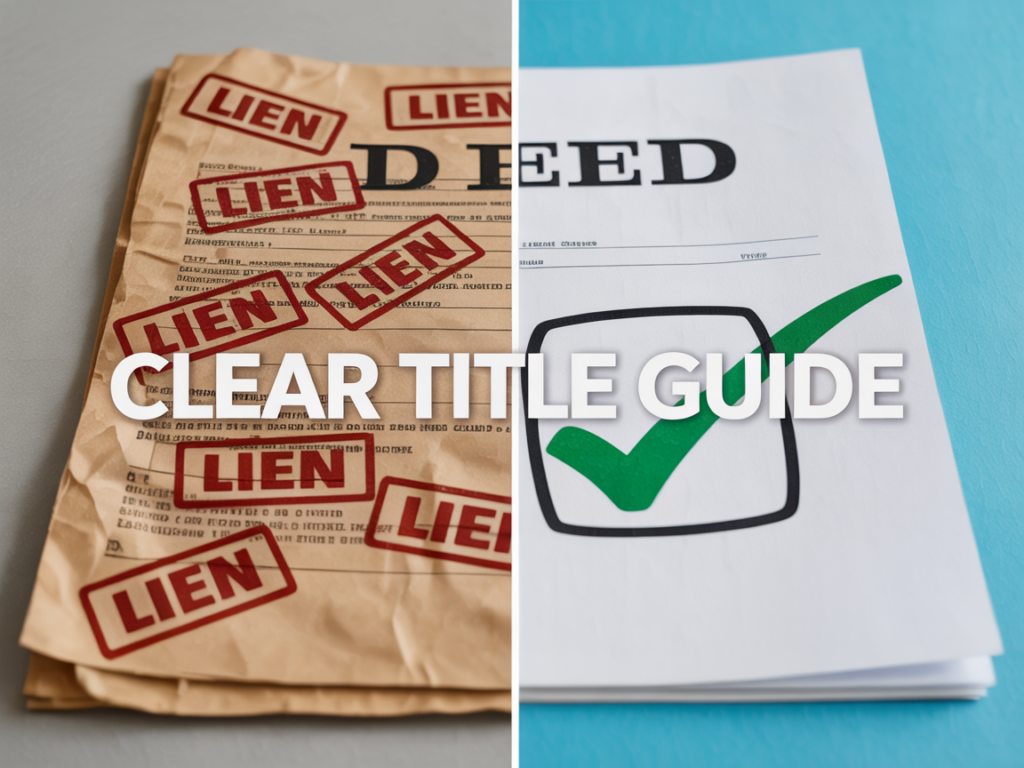
A clear title means the property has no liens, disputes, or legal claims against it. The ownership is clean. There are no unresolved debts attached to the property. No one else can claim they own it. The chain of ownership from one seller to the next is complete and unbroken.
Clear Title vs. Marketable Title
A “clear title” and a “marketable title” are closely related but not exactly the same. A clear title has no defects at all. A marketable title is one that a reasonable buyer would accept and that a title company would insure. In practice, most people use the terms interchangeably. The goal is the same: make sure the property can transfer to a new owner without problems.
Why “Clear” Matters
When you sell a property, the buyer’s title company will search the public records. If they find liens, ownership disputes, or gaps in the chain of title, the title is not clear. The buyer’s lender will not approve the loan. The title company will not issue insurance. The deal stalls or dies. Clear title keeps deals moving.
Why a Clear Title is Essential in Real Estate Transactions
Clear title matters to everyone in a real estate deal. Here is why.
For Buyers
You want to know that the property you are buying actually belongs to the seller. You want to know no one else can show up later and claim ownership. You want to know there are no hidden debts attached to the land. A clear title gives you that confidence.
For Sellers
If your title is not clear, you cannot sell. Buyers and their lenders will not close on a property with unresolved title issues. Clearing title problems before listing saves time and prevents deals from falling apart.
For Lenders
Lenders require clear title before they issue a mortgage. The property is their collateral. If the title has problems, the collateral is at risk. No clear title means no loan.
For Investors
Investors who buy at auction face the biggest clear title challenges. Foreclosure and tax deed auctions transfer ownership, but they do not guarantee clear title. You might win the auction and still have liens, ownership claims, or other issues to deal with. Checking the title before you bid saves you from expensive surprises.
Clear Title Affects Resale Value
When you go to sell an investment property, the buyer’s title company will examine the title. Any unresolved issues will stall or kill the deal. If you cannot deliver clear title, the buyer walks away. Every day the property sits unsold costs you money in holding costs. Clearing title issues early protects your timeline and your profit margin.
Clear Title Affects Financing
If you want to pull equity out of a property through a refinance or a line of credit, the lender requires clear title. Banks will not lend against a property with unresolved claims. Clearing the title opens up financing options that fund your next deal.
Common Issues That Prevent a Clear Title
Several types of problems can prevent a property from having clear title. Here are the most common ones.
Liens
Liens are the most frequent obstacle to clear title. A lien is a legal claim on the property for unpaid debt.
Types of Liens That Cloud Title
Mortgage liens stay on the property until the loan is paid off. If a previous owner did not pay off their mortgage before selling, the lien may still be attached.
Tax liens come from unpaid property taxes, income taxes, or other government assessments. The IRS and state tax agencies can both place liens on real property. Some tax liens survive foreclosure sales.
Judgment liens come from court cases. If a previous owner lost a lawsuit, the judgment can attach to the property.
Mechanic’s liens come from unpaid contractors. If work was done on the property and the contractor never got paid, they can file a lien.
HOA liens come from unpaid homeowner association dues. In some states, HOA liens take priority over other claims.
How Liens Affect Your Investment
If you buy a property with an outstanding lien, you may become responsible for that debt. At foreclosure auctions, the foreclosing mortgage and junior liens usually get wiped out. But senior liens and certain government liens can survive. At tax deed auctions, most liens are eliminated, but exceptions exist depending on the state. Always check before you bid.
How to Find Out About Liens
Search county records for any recorded liens against the property. Look at the recording dates to determine lien priority. A lien recorded before the mortgage is a senior lien. A lien recorded after is junior. This priority determines whether the lien survives a foreclosure sale or gets wiped out.
The fastest way to check is with a title search. At EasyTitleSearch.com, our $59 current owner search reveals recorded liens, mortgages, and other encumbrances. Run this search on every property before you bid at auction.
Disputes Over Property Boundaries
Boundary disputes happen when the property’s legal description does not match the physical boundaries. A neighbor’s fence might cross into your lot. A driveway might encroach on an adjacent parcel. An old survey might conflict with a newer one.
How Boundary Disputes Cloud Title
Boundary disputes create uncertainty about what you actually own. A title company may refuse to insure the property until the dispute is resolved. Fixing boundary issues can require a new survey, a boundary line agreement with the neighbor, or even a lawsuit.
Preventing Boundary Problems
Order a property survey before you buy. A survey shows the exact boundaries of the property and reveals any encroachments. This costs $300 to $800, but it prevents expensive disputes later. If the survey reveals a problem, you can negotiate with the seller to resolve it before closing or factor the issue into your offer price.
Outstanding Mortgages
When a property owner pays off their mortgage, the lender should file a mortgage satisfaction or release with the county. Sometimes lenders forget. Sometimes the paperwork gets lost. The mortgage shows as active in the public records even though it has been paid.
Unreleased Mortgages Are Common
This problem is more common than you might think. It does not mean money is actually owed. It means the paperwork was not completed. Fixing it requires contacting the lender and getting them to file the proper release. If the lender no longer exists (which happens with bank mergers and closures), the process gets more complicated.
How to Fix an Unreleased Mortgage
Start by contacting the lender or their successor. Many banks have merged over the years. Track down the current holder of the loan. Provide proof that the mortgage was paid in full. Ask them to record a satisfaction or release. If the lender no longer exists and you cannot find a successor, a real estate attorney can help you file a court petition to clear the old mortgage from the records.
Other Title Clouds
Beyond liens, boundaries, and mortgages, other issues can prevent clear title:
Forged deeds. Someone faked a signature on a deed in the chain of title. This makes every transfer after the forgery potentially invalid.
Missing heirs. A property owner died and an heir was not identified during probate. That heir may have a legal claim to the property years later.
Recording errors. A clerk made a mistake when recording a document. The wrong parcel number, a misspelled name, or a misfiled document can all cloud the title.
Unresolved probate. The previous owner passed away and the estate was never properly settled. The property might still technically belong to the estate.
Easements and restrictions. Recorded easements or deed restrictions can limit how you use the property. While these do not always prevent a clear title, they can affect marketability.
Any of these can cloud the title and need to be resolved before the property can transfer cleanly.
How to Ensure a Title is Clear
Here are the steps to verify and achieve clear title on any property.
Step 1: Run a Title Search
A title search examines public records to trace ownership and find any recorded claims against the property. This is the most important step. You cannot fix problems you do not know about.
At EasyTitleSearch.com, we provide current owner searches for $59 that trace the title back to the last vesting deed. Our searches reveal recorded liens and encumbrances nationwide. For investors buying at auction, this is essential due diligence you should do before every bid.
Step 2: Resolve Any Issues
Once you know what problems exist, address them one by one. Pay off or negotiate liens. Get mortgage releases from lenders. Correct recording errors with the county. Resolve boundary disputes with surveys and agreements.
Prioritize by Impact
Not all title issues are equal. A $500 mechanic’s lien is a quick fix. A disputed ownership claim from a missing heir could take months in court. Start with the easiest issues and work toward the harder ones. This approach clears the title faster and gives you momentum.
Step 3: Consider Title Insurance
Title insurance protects you against hidden defects that a title search might miss. For traditional purchases, title insurance is standard. For auction purchases, you may need to take additional steps before a title company will insure the property.
Step 4: Get a Survey
A property survey confirms the exact boundaries of your land. It reveals encroachments, overlapping claims, and discrepancies between the legal description and the physical property. A survey costs $300 to $800. It is a small price for the certainty it provides.
Quiet Title Actions for Auction Properties
If you buy a property at a county foreclosure auction or tax deed sale, getting clear title often requires a quiet title action. This is a lawsuit you file in court to establish your ownership and eliminate all competing claims.
Why Tax Deed Properties Always Need Quiet Title
Tax deed auctions carry a higher risk of title challenges. The previous owner, their mortgage lender, or other lienholders may have the right to challenge the sale. Most title companies will not insure a tax deed property until a court has confirmed your ownership through a quiet title action.
This is not optional if you want a marketable, insurable title on a tax deed purchase. Without a quiet title order, you will have trouble selling the property, refinancing it, or getting title insurance. Plan for this step and budget for it when you analyze tax deed deals.
Foreclosure Auctions Often Need Quiet Title Too
Foreclosure purchases can also require quiet title actions. If there are questions about whether the foreclosure process followed proper legal procedures, or if there are unresolved liens or claims, a quiet title action clears everything up. Not every foreclosure purchase needs one, but many do, especially when the title history is complicated.
Signs You Need Quiet Title on a Foreclosure Purchase
Watch for these indicators. The foreclosure involved multiple lenders or lienholders. The property went through bankruptcy before the foreclosure. The previous owner had judgment liens or IRS tax liens. The foreclosure was contested or delayed multiple times. Any of these situations increases the chance you will need a quiet title action to get clear, marketable title.
How the Quiet Title Process Works
You hire a real estate attorney. The attorney files a lawsuit in the county where the property sits. Every party with a potential interest in the property gets notified. This includes the former owner, any lienholders, mortgage companies, and anyone else with a recorded claim.
Those parties get a chance to respond. If no one contests your ownership, the court issues an order quieting the title in your name. That order goes into the public record. Now you have clear, marketable title that a title company can insure.
Timeline and Cost
Quiet title actions typically take three to six months. Some take longer if a party contests the action. Attorney fees usually range from $1,500 to $5,000, depending on the complexity. Court filing fees add a few hundred dollars more.
Budget for these costs when you analyze auction deals. A property that looks like a great buy at auction might be less attractive once you add quiet title costs to your total investment. But in most cases, the cost is worth it because it unlocks the property’s full value.
What Happens After Quiet Title
Once the court issues its order, you record it with the county. Now the public records show a court-confirmed title in your name. Title companies can insure the property. Lenders can approve mortgages against it. Buyers can purchase it with confidence. The quiet title order transforms an unmarketable property into a fully marketable one.
Finding the Right Attorney
Not every real estate attorney handles quiet title actions regularly. Look for one who has experience with auction-purchased properties. Ask how many quiet title cases they handle per year. Ask about their typical timeline and fees. An experienced attorney makes the process faster and smoother.
How to Check if a Title is Clear
Whether you are buying, selling, or just want to know the status of a property you own, here is how to check:
Search county records online. Many counties offer free online access to recorded documents. Search by the property address or the owner’s name. Look for deeds, mortgages, liens, judgments, and releases.
Visit the county recorder’s office. If online records are limited, visit the county recorder or clerk’s office in person. Staff can help you locate documents and understand the recorded history.
Order a title search. For a professional, comprehensive review, order a title search. EasyTitleSearch.com provides current owner searches for $59 that trace ownership back to the last vesting deed and reveal recorded liens. It is the fastest and most affordable way to check title status.
Hire an attorney. For complex situations, a real estate attorney can review the title, advise you on potential problems, and recommend solutions. This is especially important if you are dealing with multiple liens, contested ownership, or a quiet title situation.
How Often Should You Check?
Check the title before every purchase. This is non-negotiable. For properties you already own, check the title anytime you plan to sell, refinance, or take out a loan against the property. Liens can show up at any time if a creditor files a judgment against you. Staying on top of your title status prevents surprises.
For investors and property managers monitoring multiple properties, an automated ownership change monitoring service can alert you whenever a deed is recorded on properties you’re tracking, so you don’t have to manually check county records on a recurring basis
Red Flags to Watch For
When you review title records, watch for these warning signs. Multiple transfers in a short time period could indicate fraud. Large gaps between transfers could mean missing documents. Liens from the IRS or state tax agencies take extra work to resolve. Any document with a different property description than the one you are buying needs closer review.
Conclusion: Protecting Your Investment with a Clear Title
Clear title is the foundation of every successful real estate deal. Without it, you cannot sell, refinance, or insure a property. With it, you have full control over your investment and a clean path to profit.
For investors buying at county foreclosure and tax deed auctions, clear title is not something you can take for granted. Tax deed purchases almost always require a quiet title action. Foreclosure purchases often need one too. Budget for these costs and factor them into your deal analysis from the start.
Start every deal with good information. Know the ownership history. Know the liens. Know the potential obstacles. The investors who do this consistently are the ones who make money year after year.
A current owner search from EasyTitleSearch.com costs $59 and gives you the ownership history and recorded liens on any property in the country. Check the title before you bid, plan your path to clear title, and protect your investment every step of the way.